Training and Race Recovery…

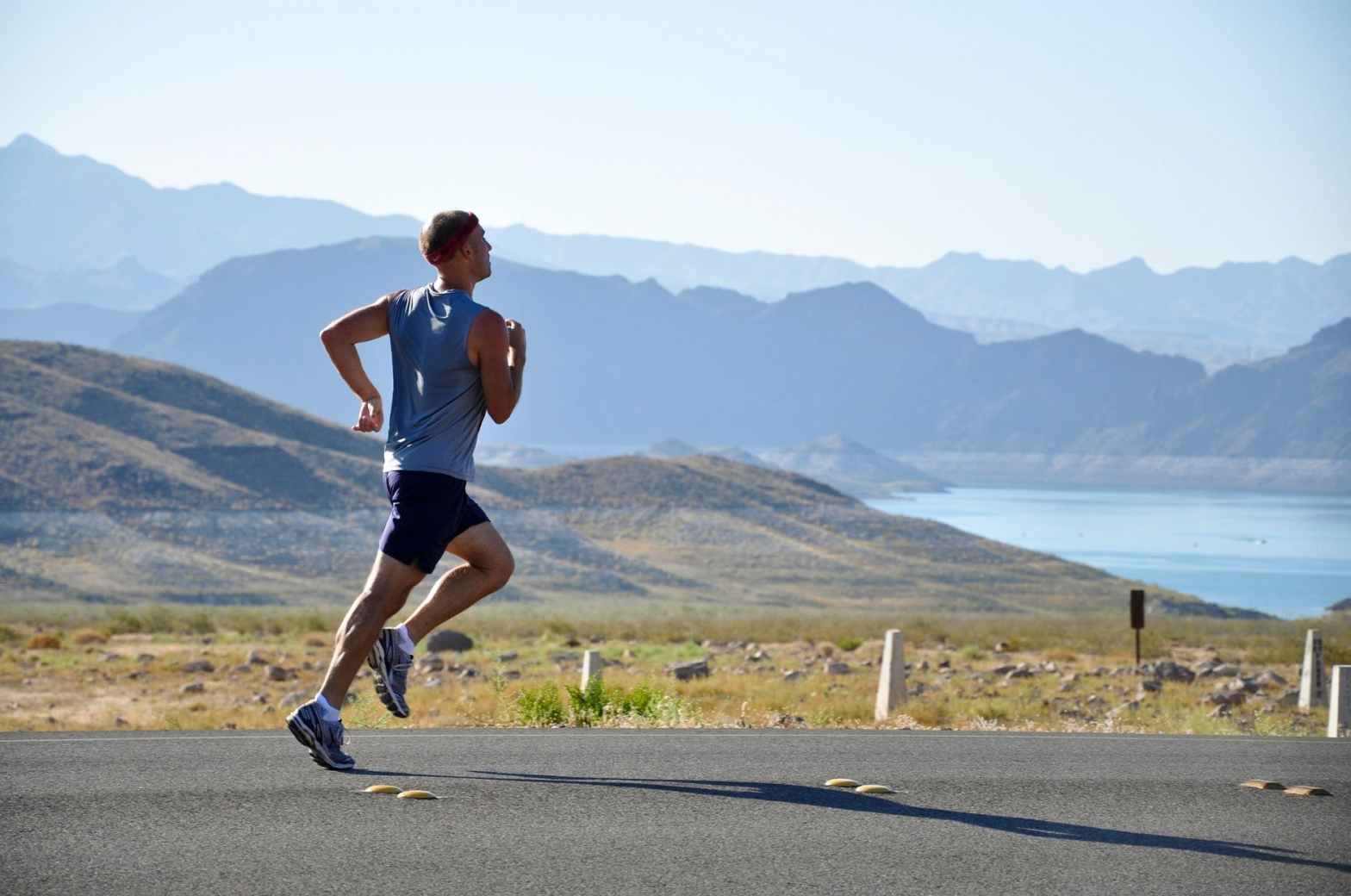
One thing I think many hobbyist athletes get wrong is recovery. We think that if it doesn’t hurt, it isn’t working. If we aren’t putting in an all out effort, we aren’t making progress. There are a number of reasons that is not true, and in fact why it is often counter productive to skip quality recovery days.

After my recent 2 week training block that culminated in a half-Iron effort, the need for solid rest was very apparent. I took on the typical symptoms my body displays when over-burdened and over-stressed. My immune system decreases, my energy declines, and unless I pump the brakes, I tend to hover in this physical wasteland for a few weeks. This is not a new cycle for me, and something I am still experimenting with to better understand how to prevent it, but usually after a few sustained longer full out efforts in a row (camp), R&R is needed. If I don’t spend the time to recover, everything suffers for much longer, and training is not back to where it would be for weeks.

With all of my new fitness in the bag, how do I go about keeping the momentum up without losing the gains? For starters, I work with a coach who can help me to know when it is time for quality and intensity, and when it is about more active recovery. Most of my workouts this week have been very easy and for time (spins on rollers, jogs), with the exception of a shorter but more intense swim session. I have also eased back into some strength training but using slightly lower weights during the drills.

What is considered easy will vary from person to person. I can use my heart rate as a good indicator on the run and bike, and normally shoot for Zone 1 or 2. For me running that would be about 120-130 BPM and cycling 105-115 BPM. These will vary for each person, but one thing I do if I forget my heart rate monitor is to say the alphabet or sing a song. If I can manage that without running short of breath, then I have hit ‘conversation pace’ which is a nice easy effort.

I also like to work in non-SwimBikeRun workouts and movement. Hiking is a nice alternative for me and gives me a chance to hang out in the woods with the family. Paddleboarding and kayaking are also great change-ups. While many don’t consider it ‘training’ doing a solid day of yard work is another good alternative recovery for me. No, riding a mower does not count, but splitting wood, moving materials around, raking, etc all keep you in motion without too much tax on the body.

How do you know when to get back to it? There are a bunch of formula’s and guidelines out there for when it is safe to dial the intensity back up. I won’t speak to them since I tend to go by feel, but right now, with no real race targets for anyone, there is probably no rush. In general though, for me a week is a good measure for someone in shape, uninjured, and motivated to get back to it. This doesn’t mean that 7 days from an Ironman you should turn the spigot back on full blast, but still ease in and ramp up slowly. In my experience, if I put in an all out effort at a 70.3, I need about 4-5 days before I feel up for a hard effort, for a 140.6, maybe a week and change. For most of the races below that I may be a bit sore the next day, but after a couple of easier sessions I feel good to go. Mind you, that’s what I tell myself, but my coach will normally hold me back a bit more, keeping it conservative to avoid injury.

For the weeks when I’m not racing, I don’t like more than two back to back hard efforts. Especially true when they are the same discipline. And when I am giving the chance to go by feel or take it easy I do. I’ll happily tack on 2 minutes to my marathon pace if possible. It feels guilty easy, but sometimes that is the whole point. Rest up, and be ready for the next round of gains. You can’t PR every day at every workout nor do you need to. We all want to push ourselves everyday, and you can, but do it in different ways. Listen to the body, give it time to heal, and take advantage of rest days to prepare for the next big effort!

Swim Buoy’s Aren’t A Drag

Until my recent trip to Lake Placid, I had never used a swim buoy. Honestly, I never really thought I needed one. Most of my open water swimming is actually in Mirror Lake, and every year but this one there is a swim line underwater that you can stand on, and buoys along it to grab if you need. On top of that when I swim in my wetsuit I float. Lastly, there is no motorized boat traffic allowed on Mirror Lake. So to me, I didn’t really see the need for one, and they seemed to be a burden to lug behind you.

The crowds of people on Mirror Lake paddle boarding, kayaking, and canoeing on the have increased considerably this year. The missing swim line has people swimming all over the place, and the boat traffic isn’t exactly carving out an area for the swimmers. In short, it is chaos out there. In this craziness, I was hit by another swimmer and almost hit by a family rowboating, probably for the first time (seven people wearing standard issue orange lifevests are a dead giveaway). Thankfully, my wife was paddle boarding in front of me and was able to yell to them that they were on track to hit me, aw. The lake water temp was also almost 80 degrees, and so I decided to forgo the wetsuit for most of my swims removing another layer of safety.

Well, my wife decided after hearing about crashing into the swimmer and seeing the boat traffic that I needed a swim buoy. She picked me up a New Wave Swim Buoy at the Fallen Arch on Main St., and I reluctantly brought it to the beach for my next swim.

Surprise, surprise, I didn’t even know I had it on. I swam almost 2 miles and didn’t feel it or go any slower across the distance. While I didn’t need it to rest on, I did test the ability for it to hold me up, and it fully supported my weight in the water. What’s more, and something I liked quite a bit was the small dry compartment where you can store your car keys and phone. Why do you need your phone on the water you ask? Waterproof Bluetooth earbuds and Spotify f.t.w.! Swim with your music… Anyway, normally I would just leave my keys in a bag on shore and hope everything was there when I got back.

In terms of setup, there is a screw valve to tighten after you inflate the air bladder which takes about two breaths. After you are done swimming, undo the valve and squeeze the air out for compact storage, piece of cake.

Although I don’t do much in the way of unprotected open water swimming, I will use the buoy from now on because I can’t think of a reason not to. It can only help if I get in trouble, let’s people know where I am, and lets me swim with music if I choose to. Win, win, win. I do recommend the New Wave product if you are shopping for a swim buoy.

Diet.

Each year, often after New Years, I embark on the unraveling of damages done by bad holiday eating. Mind you, my bad holiday eating isn’t terrible, but the volume alongside the dip in off season training equals weight gain. Lately I have heard many people refer to the ‘Covid 19’ like the ‘Freshman 15’, and thought I would talk on some of the things I find to work the best for weight loss.

First I will say that for the most part my diet is pretty clean. I don’t eat much in terms of sweets or processed foods. Pizza once a week is a standard, and steak or beef is maybe once or twice a month. My family go to is ground turkey, chicken thighs, pork tenderloins, and some seafood. Rice and potatoes. Fruits and veg. Beans. I have not been to a McDonald’s or similar in at least a decade.

So where do I fall short? For me it is the volume of food I typically eat. On pizza night I will finish a medium pie on my own and may look for more after that. What can I say I get hungry. This is especially true when the meal tastes good, and one thing the pandemic has done is grow the family cooking abilities.

Now with my only 70.3 of the year done (aka the longest off-season ever), it seemed like a good time to take stock of my own weight position and see where I stood relative to years past.

As it was this morning I was 5-6 lbs. over my normal Ironman race weight, and where I would say I might normally be at this time each year. Obviously things this year are very different, but it feels like a good time to focus on food and diet for a few months to ensure I don’t hit the holiday’s already in a bad spot.

I have learned some things that work better for me than others through a lot of experimentation and practical application. For example, I did a one week juice detox one year, and almost passed out during a run. I have also done a one month vegan program that I found very hard to maintain when I did not know where I would be for lunch. My wife and I have also done Engine-2 for a month (I made the Engine-2 lasagna which made my kids cry). Another detox program / diet I did enjoy was Whole 30. This was a 30 day program creating basically an elimination diet. I did feel great on this but it isn’t practical to maintain long term, nor is it meant to be. Keto, Paleo, Mediterranean…the list goes on. For me and what I do though it really comes back to a few simple rules. Clean whole food and 80/20. What does that mean?

For starters I don’t find it possible to be perfect forever. It takes a lot of planning, time, and effort to never go off script. Especially in business lunches or social situations where someone else has ordered. I also get hangry (look it up, it’s a thing), so if lunch is chocolate cake I am eating it regardless of whether it is the best for me. This is where the 80/20 rule comes in. Eat good food 80 percent of the time, and relax for 20 percent. If you want a burger go for it. Ice cream no problem, just don’t down a bottle of Coke everyday and expect great results.

In terms of clean food, we try to shop and eat organic whole foods whenever possible. Lot’s of vegetables and beans, less meats. Good oils, and not really much dairy. Fruits are a normal, especially frozen organic blueberries in a morning shake. Not much pasta. Almond milk a limited dairy. Now with all that said, how do I know what and how much to eat, and what do I do when I get hungry and want a snack?

WeightWatchers to the rescue. I know, it sounds odd. I am an athletic person who is not overweight, but I find WW has been the best realistic way for me to track what I eat and fit in things I might not be expecting. The reason is that they assign points to everything, and you work off an allocated point system each day. As I started to track food again this week, my program allows for 23 points a day. To give an idea, a cup of rice is 6 points, but chicken breast is 0. Most fruits and vegetables are 0 points, eggs are 0, and the list goes on. So there are a lot of things you can eat that don’t directly count towards your daily limits, relieving some of the pressures of going hungry. Pizza is point expensive so is whiskey or wine, but this forces you to choose. It also helps people to really understand that a glass of orange juice is 6 points and the sugar may not be worth it.

How long does it take to cut weight? Now that I am a bit longer in the tooth, I don’t normally see any movement for the first 2 weeks. But after I hit a groove and have been steady, I will see about 1 pound a week loss. It normally takes me 2 or so months to get to my ideal racing weight and then I try to keep of the good habits as long as I can.

Will this work for everyone, no I don’t think so, but there are a lot of options out there. I think that the structure and planning I put into WW works for me, and allows me to keep a high energy level throughout the day. I don’t fixate on the food like I did with other programs. I can make adjustments for parties or other get together’s without too much concern for going off track. A solid diet plan should reflect your own goals, be realistic about how it can be accomplished, and hopefully not be the all encompassing thought throughout the day. Enjoy the food, enjoy the workouts, and don’t let either get in the way of the other.

New Gear Let Down

As I have mentioned in previous posts, I prefer to do trail runs. Where I live road running can be a bit dangerous as most of the roads are windy, there are no shoulders, and there isn’t much room to hide from cars. Where I play, the trails are just too pretty not to take advantage of. So because I spend alot of time solo in the woods, I need to carry a few items with me.

Things I regularly carry are my car or house keys and a drink. I often bring my cell phone too, which has become a bit of a problem. Most of my running shorts do not support a big phone bouncing around so I have been on the lookout for a belt that could hold my phone, keys, and some basic nutrition while I am out on longer runs.

What I settled on was the Nathan Vista Waistpak. This belt features a tri-fold design secured by velcro. Inside the folds is a zippered pocket with a clear plastic to allow for phone viewing and access, and a separate area for other thin items such as salt pills or maybe cards etc.

I gave the belt three separate tries, and have come to the conclusion it just is not worth the $30 I paid for it. There are several design flaws in the product that I will point out, and I will also describe my issues with it.

On my first outing with the belt, I was very excited to have something secure to carry my phone and keys as I ran down a isolated trail. I have a larger sized phone, and put it in the main pocket of the belt, not the one with the clear viewing window. This felt the more natural place for it, it fit well, and off we went. The first thing I noticed was that the belt itself continued to loosen as I ran. It has a very solid nylon strap and metal buckles and tightening parts, but as I moved so too did the belt. As I fidgeted with the tightness, the velcro came undone for the first time. Mind you I am in the woods and losing a keyfob on the trail could be easy and disastrous. At this time I had the belt so my phone and key were facing backwards. I typically run that way with my existing belts and it seemed the right way to go. I only noticed that it had popped open because I periodically like to make sure I still have everything and reached back.

As the run progressed the issues continued culminating with a faster downhill finish during which the belt (I had re-positioned to the front to ensure I saw if it popped open) popped open and ejected my phone which I kicked mid stride into the middle of the road. Without fail a car was coming in my direction, and I was just able to run over and grab the phone before it would have been crushed. It may sound comical but losing the phone would have been a huge issue.

After the run I did some online reading, saw the phone was supposed to go in the clear pocket, and so I thought I was doing it wrong. I took the belt on another shorter trail run with this configuration and things seemed to go well. There were no problems I recall and my confidence was restored.

During my purusing the Nathan website, and close inspection of the belt, I noticed two sewn loops on either side of the pack itself. I thought these looked exactly like nutrition holders and was excited to put some gels in them for my upcoming half marathon run.

On run day I headed out with a sleeve of gummies in one loop, salt pills in the inside pocket and my phone in the cell pocket. It was a very hot day and I was sweating heavily during the run. As the run wore on it seemed to be loosening up on me. I adjusted it, put the slack tight agaist the holder and continued on. At around mile 5 as I was running the ENTIRE BELT CAME OFF! I couldn’t believe it. The hook obviously made its way out of the catch and then gravity kicked in. This was super annoying to have happen. When you are focused on picking them up and putting them down, you don’t want to be adjusting things. You don’t want things to fail on you. To make matters worse, when I picked up the belt I noticed the gels were missing. Somehow they fell out along the run without me noticing. Not an ideal scenario with that being my only nutrition for the effort.

I gathered everything back up and trudged on eventually finding my gels on the side of the road on the way back, and finishing things up without any other major events. But that was my final straw and unfortunately I won’t be using the belt any further for runs or for rides.

What I think Nathan got wrong was a few things. First the cell phone should not be on the outside pocket. This has the least support and is more likely to move around when running. Second the velcro is insufficient. It is not very big and clearly can’t handle bouncing objects inside. Third the belt material while strong seems to slide once you begin to sweat. A different texture may have helped to limit this. Sadly I had high hopes for this belt, and may make some manual alterations to make it usable again. Until then, it will just be another dust collector in the sports closet.

Camp Is Ending

All good things must come to an end unfortunately. After two weeks in Lake Placid, we are heading out. The triathlon camp ended this morning, but not after a few last epic days. Two days ago was a great reverse loop of the IMLP course. This is almost a spin from the village down to Keene. That is probably what makes this course so challenging in general. The elevation loss taken over the six mile decent means you climb back up for a long time. Either way, it was a nice grinder and a different perspective on a course I have ridden so many times in the same direction.

Yesterday was really the peak work day for camp where we completed a 70.3. There were no transitions, but the rest of the efforts were the same as the IMLP race. What a great time. It has been over 9 months since I have been in a triathlon and doing two this week in training, especially a 70.3 was cool. I learned a few things and made a few mistakes, but that is why I normally do shake out races early in the season. Heading into a big race as the first time out for the year has never worked out well.

What did I learn? I have always taken nutrition very seriously. I go into my races with a plan, and it gives me something to focus on during the race. For this effort, I had no specific plan, and just was winging it. I paid for it on the run because of that. I also was trying out some new gear on the run, and it let me down. Another rule, don’t try something new when you want to do well or have to count on it. Lastly, I learned that I can still push through the pain when I need to. I wouldn’t say I was ever in trouble of not finishing, but when you are not actually in a race, and have been out in the sun for hours, taking a shortcut is easy to do. You are in charge of you, and your brain tells you to bail. Being able to push through that is hard to do, and it is good to revisit those situations from time to time.

Mistakes I made…for starters no nutrition plan. I did not set a schedule for consumption nor did I take enough calories with me. With no aid stations that was a key over site in covering the distance. Another thing to that point, because there was no lead up to the 70.3 I didn’t plan my dinners the nights before either. Even the day before I did not go with my standard pizza or pasta. This may or may not have made a difference, but I think it all adds up. Another mistake was not checking my goggles beforehand which resulted in one filling with water immediately. I decided to keep swimming since often when I adjust them in the water I don’t get a good seal on either eye. This really caused a lot of irritation for the rest of the day, and made sighting on the swim tricky.

All in all it was a great distance, is always a great course, and I set a few PR’s along the way. Camp finished this morning with a last swim in Mirror Lake, and now it’s time to rest up, and use this huge training block as a stepping stone for whatever is next.

Tri Camp Starts!

Let’s get some. The first night was easier as everyone rolled in slowly from various loctions. We did a super easy shake out in the lake swimming about 30 minutes. A quick logistics discussion, and then headed our separate ways for some food and rest.

7a.m. comes quickly for a big day 2. The day started off with a longer swim in the lake, which was super calm compared to the evening before. It was nice to grab some feet for parts of the swim. It has been a long time since I have drafted on the swim, and it is nice to stay with someone that can swim faster than you. I have always underappreciated the swim draft until doing swim workouts in the pool with others. I would work hard as the leader and then draft swimming at what felt almost like a guilty pace, and the time would be essentially the same. So when I can draft behind someone better, I do.

After the swim we went out for an easier casual bike to loosen up the legs, and check out some of the scenery Lake Placid has to offer. And finally we turned the bike into a brick, which was excellent, and completed a small ‘triathlon’ before lunch. After the run, we had a quick bite, a chance to shower up, and regrouped about two hours later for the big workout of the day.

Time trail brick. This was an awesome bike segment that really let me push much harder than previously possible. I shaved a significant amount of time off of a solitary effort the week before, and even my Garmin congratulated me with a ‘Good Job’ badge. This was one of my first all out efforts this year, and it really was nice to open it up and see what I was capable of at a point in the year when I would have already had an Ironman in the bag and another one coming in a few weeks. Am I in shape for a full distance race right now, no. But can I put in a decent effort when I need to, yes. After knocking out the bike, there was a moderate trail run (in my spiffy new Solomon XA Pro 3d shoes). It was the second brick for the day, but it felt nice to stretch out the legs especially on the long downhill back to the parking area.

Afterwards I headed back to base camp to clean up, wash the bike, and relax. After a few nice IPA’s, some good take out, and a few sessions in the Normatec’s it was bed time. These were some awesome quality training blocks for sure. Can’t wait for what’s next.

A Trail Run and a Swim

As I continue in my quest to explore Lake Placid and the immediate areas around the village, I stumbled upon a great new trail system and swim location. This is especially timely given the current conditions at the Mirror Lake Beach (more on that later).

The trail system is called Brewster Peninsula Trails and the entrance is just beyond the Quality Inn driveway heading towards Saranac Lake. From the village it takes about 5-10 minutes to run to the trailhead. Once inside, there are a series of loops that vary in condition from fire road to technical. My first time in, I may or may not have abruptly gotten in to pushup position after kicking a stumbler.

The Ridge Trail and the main trail are probably the best for running and give you about 2 miles per lap. But if you turn left at the first junction from the trailhead and follow the Boundary Trail it takes you to a great dam / spillway on Lake Placid. This is alot of fun for the kids and adults. In the middle is a six inch spill way where the water runs down into a river. It is fun to stand in this and just let the current massage your feet. The water is a few feet deep in the lake here, but very clear. I took a bunch of time swimming around just looking at the fallen logs and rock formations under water. Very low vegetation.

It was nice to run to this spot and jump in for a swim. I took a shammy and goggles and there were only a few others in the area, mostly sunning on the wooden bridge and nearby dock. After my swim I toweled off and was able to run back out feeling cooled off from the initial effort.

It was especially calm and quiet vs. my last few trips to Mirror Lake this week. For one, the beach only allows 75 people in. Not a huge problem save for the fact that all AROUND the beach people are setting up camp and going into the water. It seems odd that the roped in sections are strongly regulated, but literally five feet away is not. Another curious thing this year is that the buoy lines are not in. These are probably what make the IMLP and Mirror Lake swimming in general so great. You don’t have to site, and for the most part boaters know where you are. You can also stand on the line or grab a buoy if you get in trouble. With this now missing, and boat / SUP traffic as high as ever, it is a bit congested out there. In fact I was recently t-boned by a swimmer who was swimming without goggles perpendicular to the normal route. To be fair even with the swim lines there are accidents, but it seems more chaotic this year.

So if you have a chance check out Lake Placid proper via the Peninsula Trails. Keep in mind there is powerboat traffic on the lake so try to stay closer to shore or swim with a bright cap and buoy. And afterwards, head to Mountain Mist for some well deserved ice cream!

New Sneaks

On my way up to Lake Placid, I knew I was in need of some new running shoes. I am a Asics Gel Kayano fella, but was in the market for something a bit more sturdy for trail running. Although the Asics do fine, I have had a few close calls with twisted ankles and lost traction.

Main street has a number of choices for the discerning shopper, but I went to Fallen Arch first. The store only allows two people in at a time, but there was no line and I was able to get in quickly. After looking at some of the display models, I asked for help and was sad to hear there was nothing in my size. After chatting with the store employee, he told me that the orders have not been consistent, and that they basically get what they get. So he wouldn’t be able to order anything custom for me.

Feeling a bit dejected, but knowing there were still a ton of options out there, I next checked out Blue Line Sporting Goods in Saranac Lake. This store has a ton of gear for fishing and hunting, but was light on the trail runners. Not a problem.

Back to the Lake Placid village and the steadfast EMS. This store delivered with a pair of Salomon Men’s XA Pro 3D trail running shoes. Score!

These shoes were exactly what I was looking for. They have a higher side to protect the ankle which is very important on the technical trails. The traction is fantastic, and I have been able to run on rocks and logs in the rain without issue. Another unexpected benefit is the protected toe box. Having broken toenails after kicking a rock during trail runs, this protection was welcomed. I have already accidentally kicked a rock during a run and knew it would have been very painful in the Kayanos.

The laces are a quick lace system that reminds me of my Burton snowboarding boots. It is a simple pull system with a clasp to keep things tight. Originally I was on the fence with these, but so far, I am impressed. They have stayed tight and feel very comfortable.

These shoes have also been good on the road, although I wouldn’t swap them with my Kayano’s if I was only going to be on the streets.

Overall I would recommend these for some serious trail adventures. They give you the confidence and all the control you need to tackle the hardest routes.

Two Weeks In Lake Placid

Having a flexible work schedule due to Covid, a vacation already booked due to IMLP, a training camp on the calendar, and the desire to get in some solid training blocks, this will be the start of two weeks in Lake Placid.

If you have never been to LP, you are missing out. The scenery is stunning, the village is great, and there is something for everyone. In the next few posts I will cover some of the workouts, new gear, and conditions for the area.

To start off, I try to explore new areas each time I can come up here. Many of my recent runs and rides have been to new trails or new roads to bike on. While the run and bike course for IMLP is great, doing the same thing every time seems like a waste of everything else the area has to offer.

This trip I started off with a run from the village and a loop in Henry’s Woods. This is a great trail system used by mostly dog walkers, hikers, and mountain bikers. It consists primarily of a large looping main trail that has some good incline over the 2 miles it covers. There are also a few vistas that can be seen if you veer off the main trail. Not very technical, and you can really open up on the downhill which is always fun.

Another run consisted of checking out the 132 mile Northville-Lake Placid Trail which starts (ends?) in Lake Placid at a trailhead on Averyville Road. This is actually only just down the road from Henry’s Woods but is a much different experience. While I was able to run on the NLPT, it is an out and back single track and technical for much of it. Still fun, but the first interesting landmark is about 6 miles from the start. So be prepared for a long session if you are going to tackle this one. I also combined this with a run up Averyville Road which has some stunning views of meadows and Whiteface as you make your way along it.

I was also able to finally checkout the Jack Rabbit trail off of Whiteface Inn Lane. This is a cross country ski trail during the Winter, but many hikers use it during warmer months. Because of it being a ski trail, I expected a fairly flat, non-technical trail that ran into Saranac Lake. Wrong. The first few miles are essentially a climb the whole time. It is also very rocky and rutted for most of the journey as well. This was a great run, but not what I was expecting. At around two miles the trail comes to an intersection where going left will bring you to Haystack Mountain. I have previously run up Haystack, and found the last mile or so very challenging. Combining this trail will that mountain would be an epic 8 miler. You will earn your beer on that run.

There are still some new runs to tackle before the trip is over, but so far the new routes have been great.

What to Look for in Triathlon Camps

As I became more of a Professional Amateur, the need to find newer and better ways to train has been a mission. As a Christmas present several years ago, my wife signed me up for what I called Fat Camp at the time, a 5 day training camp. I have been doing the camps ever since, and it has lead to some great discoveries and experiences not just for myself, but also for the family who has been along on the traincation ever since that first year.

The camp I attend is in Lake Placid, one of the best places in the US for an active outdoor lifestyle. Each day you are pushed a little further than you think you can go. This is some of the best training and personalized coaching you will get. You actually feel like a Pro when the camp provides SAG and follows you around the huge bike loop. Being out with fellow triathletes in beautiful scenery also sure beats the day job.

I have seen alot of camps in the Lake Placid area over the years, and I have even stopped at other camp support tents to ask for water. They have always been very friendly, and I was happy for the help when it was needed. So what are a few things to consider when you are taking off time from work to go and train, and what can you expect out of a 4 or 5 day camp? What are some of the things you should look for and think about?

I can only speak from my own experience, and what I have seen that works, but consider a few of the following points before you sign up for a camp.

Your level of experience should not detract from your ability to get in good training nor should you feel as if you are holding others back. Inevitably camps will have people with many different goals and fitness levels. Not everyone is training for a full and not everyone is training for a half. The camp organizers should have a plan for the different abilities, or explain what the groups will look like beforehand.

The camp coaches should be experienced in the area and the different strategies for performing well. For example on the Lake Placid course, once you turn left in Wilmington on Route 86, there will be wind until you get back to the village. There will always be wind. You can also count on climbing back, because you know, the terrain doesn’t change much.

Trust the people in charge, but also be ready to self rescue. Just like any long ride, I take a phone, ID, and money. There may be support along the way, but stuff happens, and sometimes it isn’t enough. Always be prepared to take care of yourself in the event something goes wrong.

A good triathlon camp will cover swim, bike, and run each day, but should also have some breakouts for things like nutrition, injury prevention, stretching, etc. These are just as important as pedaling the bike, and if you have ever locked up because of dehydration you know that to be true.

Expect long days for long course training. There are not a lot of times where you can train with the volume and intensity as there are at a dedicated camp. This means that you will be pushing beyond normal limits and putting a lot of hay in the barn. That will tire you out, and you may need a solid recovery week to get back at it.

Food can be hard to get to when you are moving between three sports all day long. Preparing ahead of time is a great way to save time, and make sure you are fueling properly. We have been staying in a house for most of the training camps and long sessions in Lake Placid, and I find access to a kitchen, fridge, and supermarket is far better than dining for all three meals.

Don’t race. At least not on the first day. Sometimes, especially around new people, we want to establish an order of strong to weak. This means people will go out hot and fade quickly. The whole point of the camp is to train hard the entire time, not just on the first day. So pace yourself and keep the nightly recovery going.

Get a good sleep, stretch, and if possible use massage guns or compression boots. Rollers and Normatec’s are my goto after a longer session when I have a chance to sit and relax. Lot’s of hydration during this time helps too.

Just have fun. These experiences are blessings for many. The chance to go play outside for a week, not worry about work, get fit and meet great people is worth recognizing. Sometimes we are too wrapped up in shaving seconds off a 12 hour race and wind up missing the best parts staring right at us.